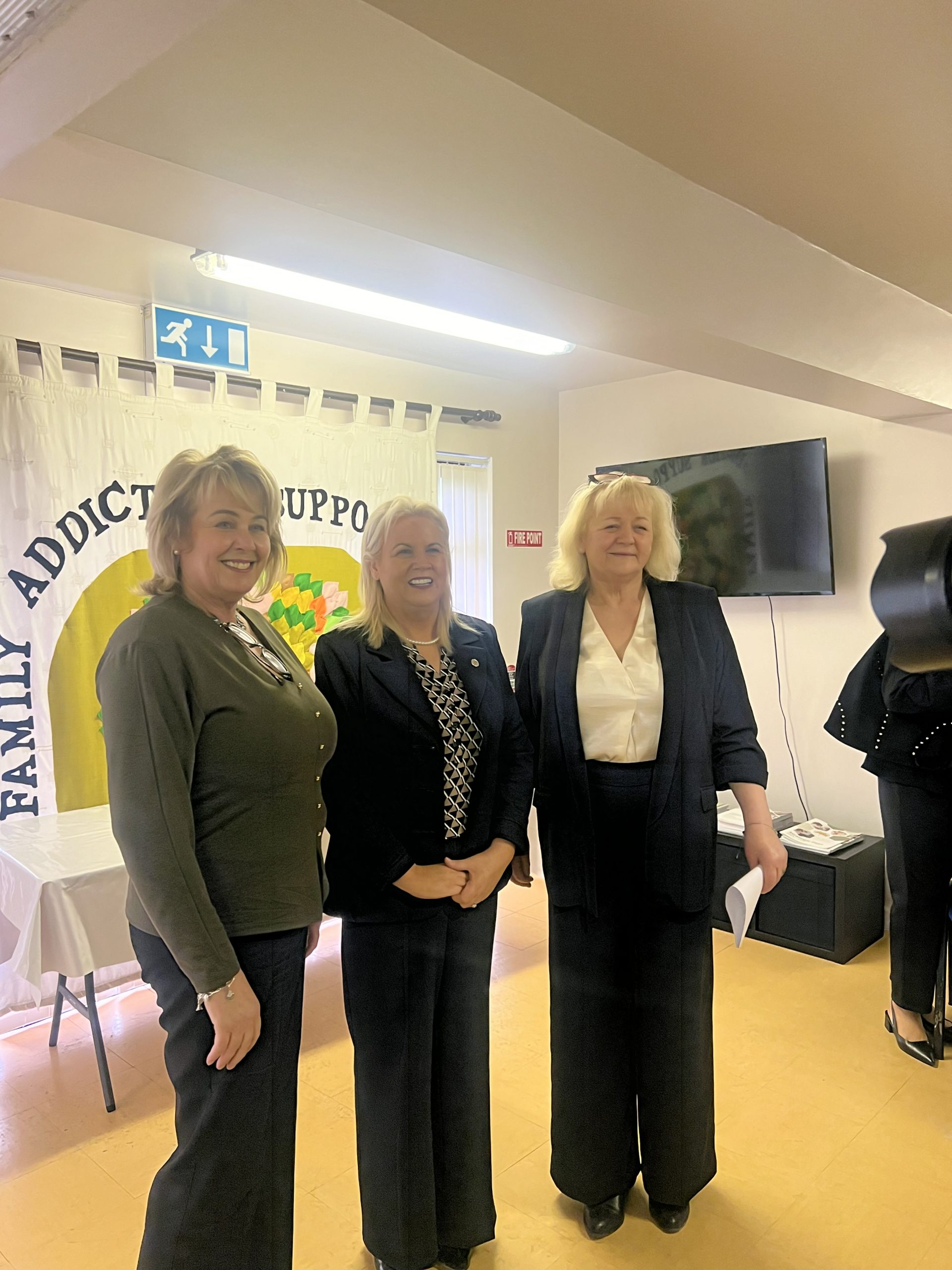
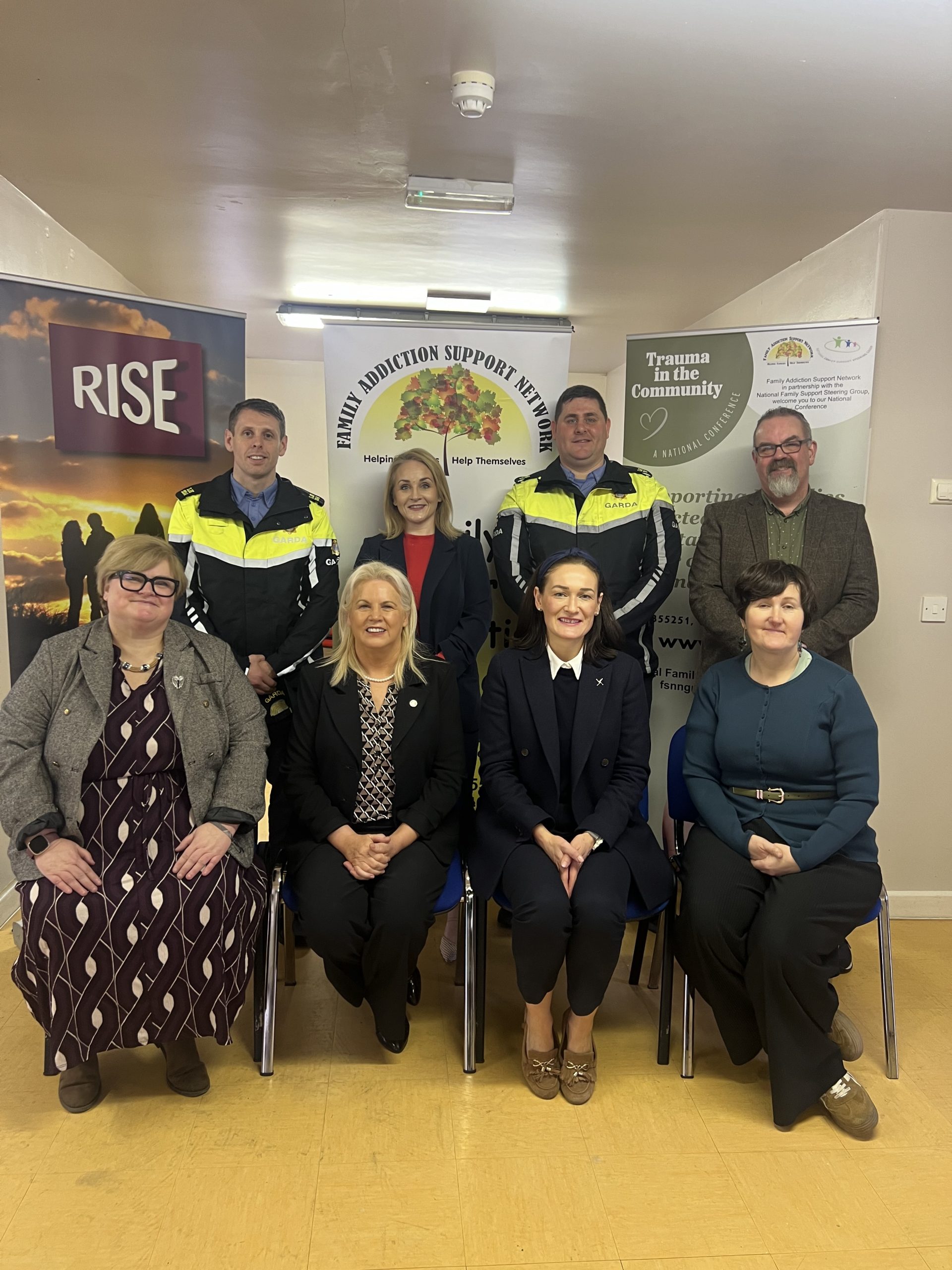
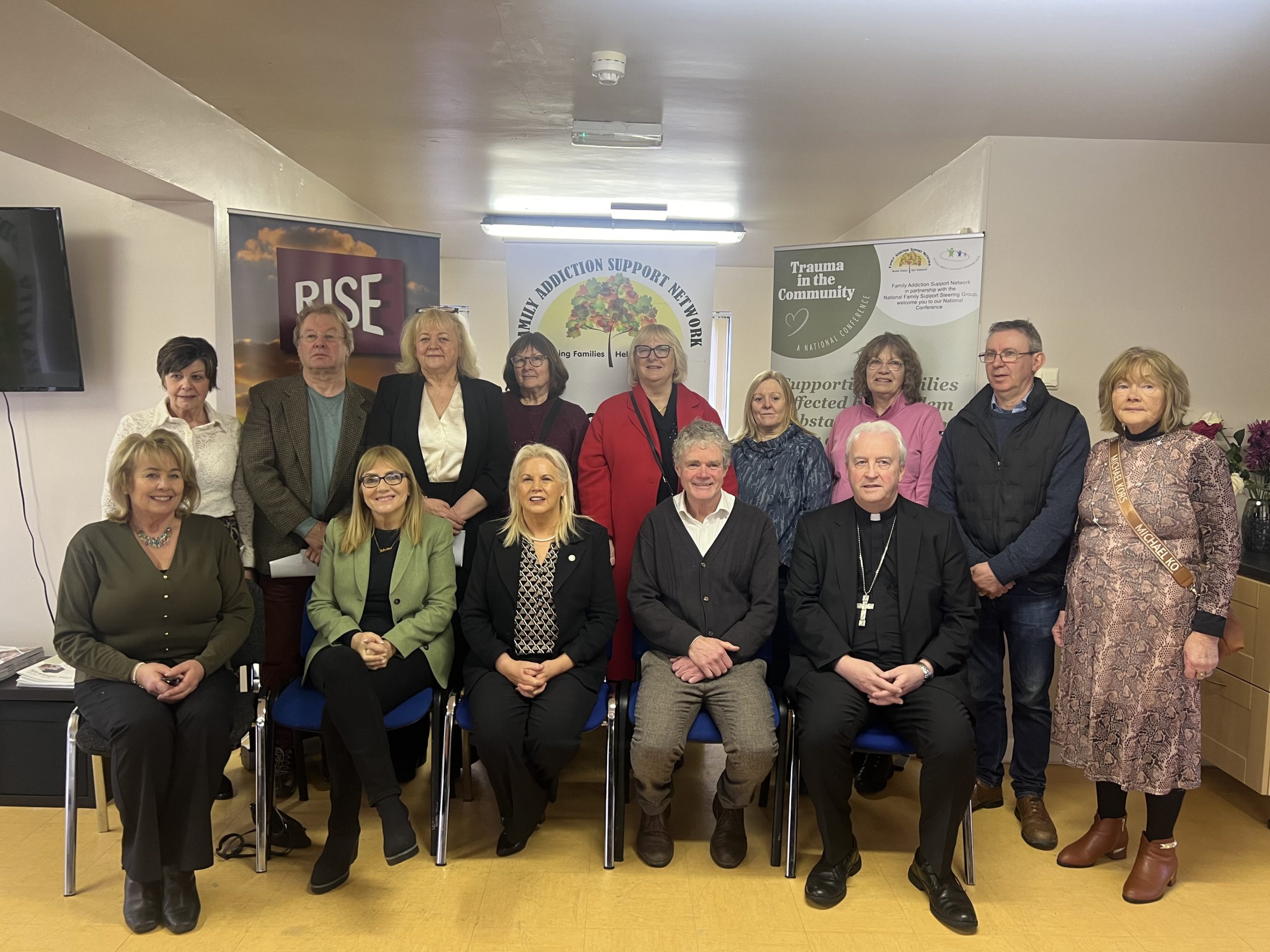
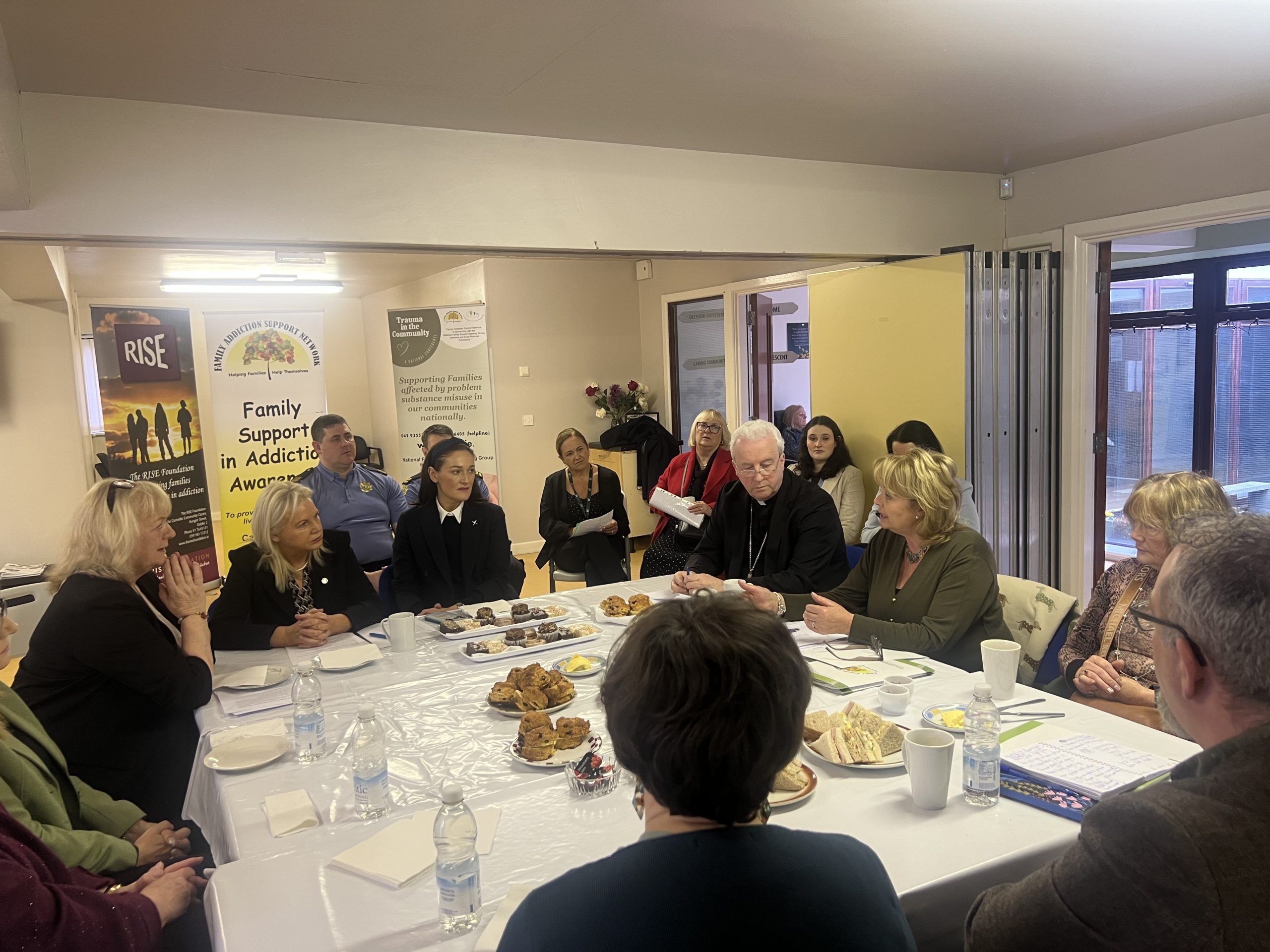
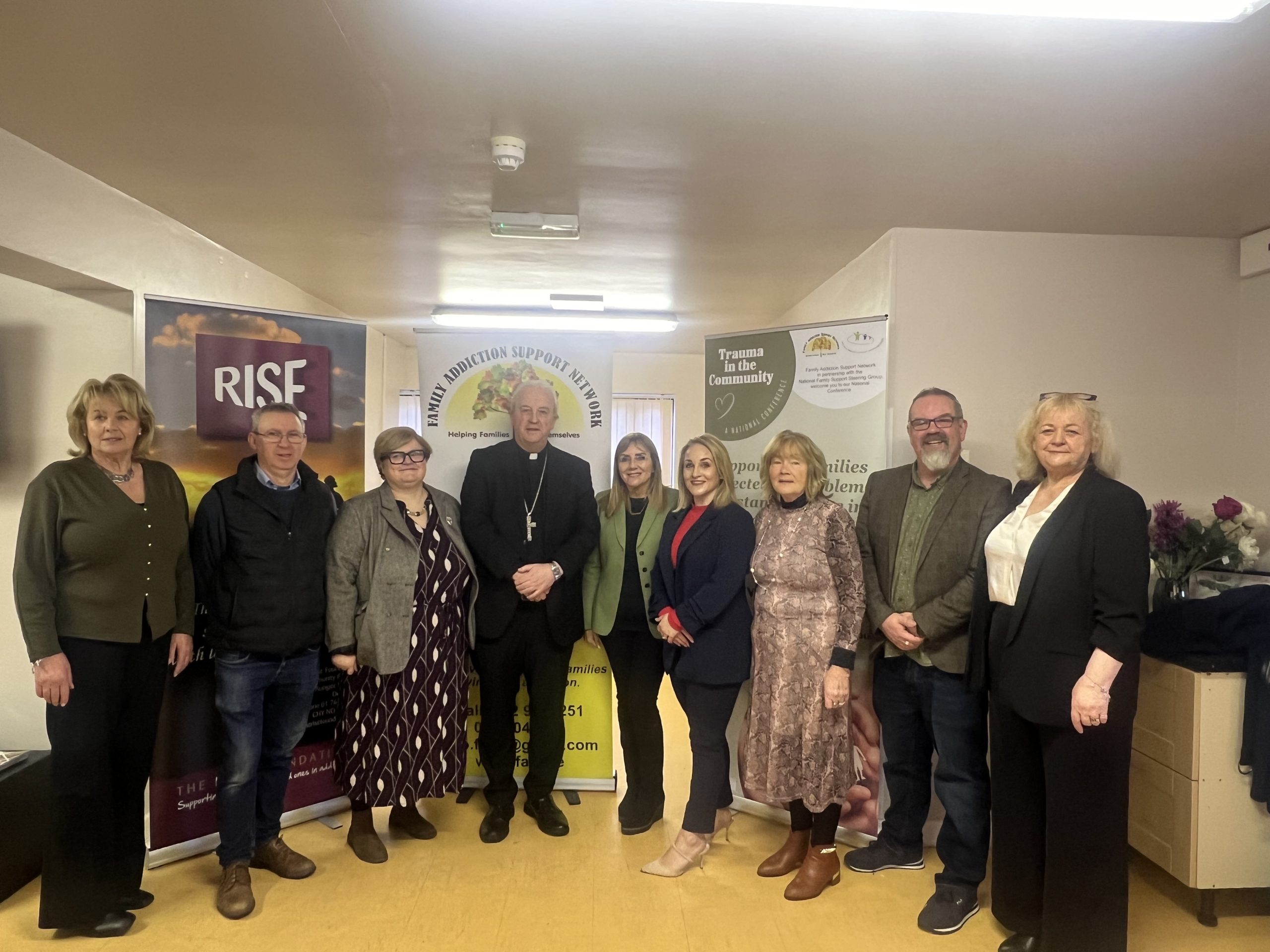
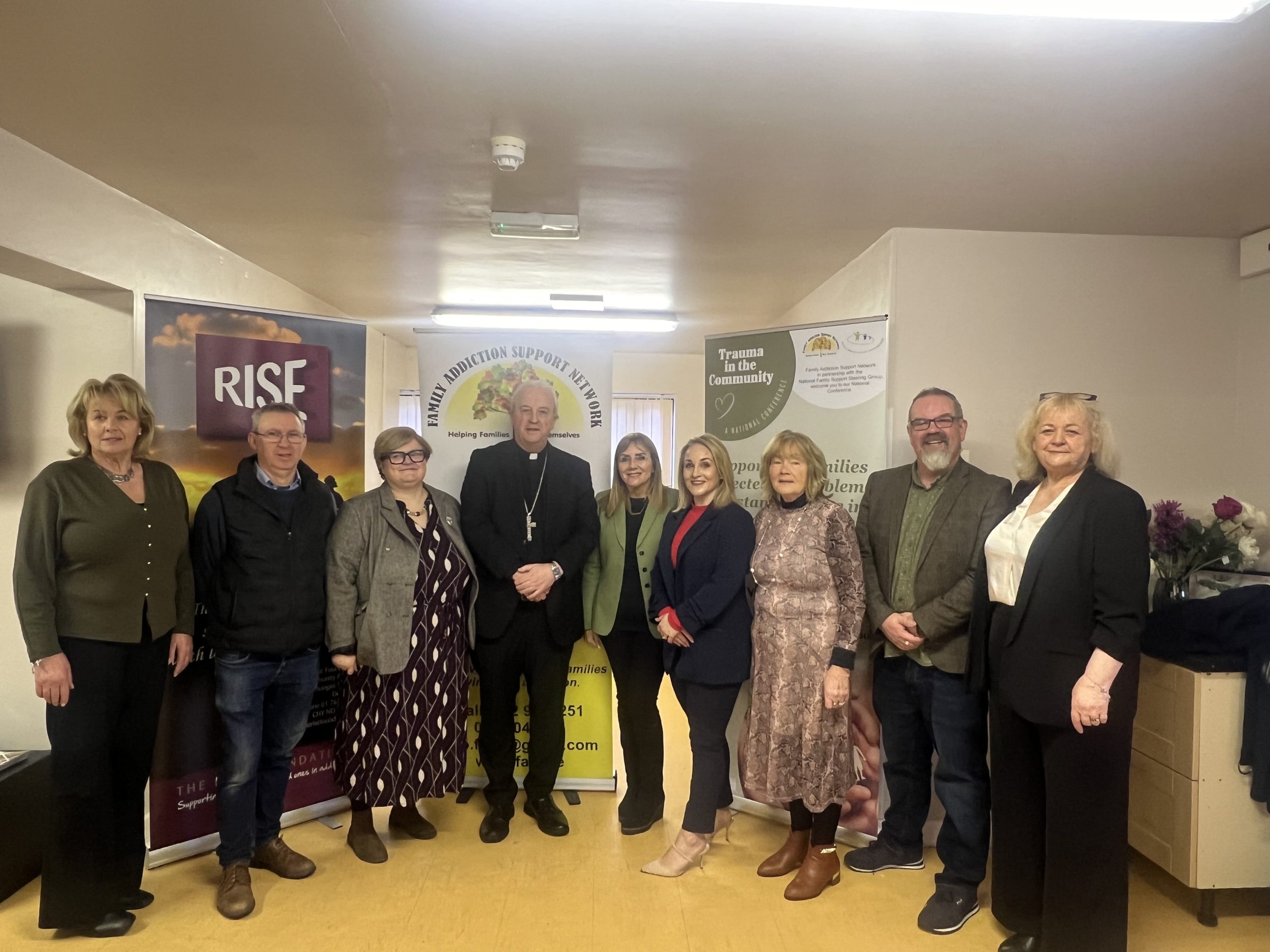
The Family Addiction Support Network (FASN) welcomed Jennifer Murnane O’Connor, Minister of State at the Department of Health with responsibility for Public Health, Wellbeing and the National Drugs Strategy, during her visit to Co. Louth on Thursday, 26 February 2026.
The Minister met with the FASN team to learn more about the organisation’s highimpact, traumainformed support for families who are often in crisis and have nowhere else to turn.
The informal gathering brought together community partners andservice providers to showcase the positive outcomes achieved for families, the strength of crossagency collaboration and the urgent need for sustainable investment in family support services.
The Minister reaffirmed the Government’s commitment to supporting families under the National Drugs Strategy and acknowledged the strong alignment between national priorities and FASN’s work, particularly in family support, community engagement and a healthled approach to addiction.
A Lifeline for Families Across the Northeast
Speaking at the event, Bishop Michael Router highlighted how FASN responds to family needs through a comprehensive suite of supports delivered without waiting lists, including:
- 24/7 helpline and crisis support
- Peerled support groups facilitate d by 16 trained and accredited volunteers
- Counselling, respite and therapeutic programmes such as RISE and the 5 Step Method
- Advocacy and representation at national policy level
- Signposting and care planning with statutory and community agencies
- DRIVE training for frontline workers to recognise and respond to drug related intimidation
- This integrated model provides families with a full journey of support, from crisis to recovery, setting FASN apart from services that offer only limited interventions.
Bishop Router also outlined the significant pressures facing families in the North-east, especially in rural areas, including long waiting lists for treatment, limited local services, drugrelated intimidation, inconsistent support for children and the emotional toll of chronic stress and isolation. Despite national commitments, many families remain underserved and invisible within the wider addiction system.
A CommunityLed Model Built on Lived Experience
Jackie McKenna, FASN’s Project Co-ordinator informed the minister that FASN’s strength lies in its peerled volunteer structure, which includes:
- 15 accredited peer facilitators
- 5 Step intervention providers
- A Family Support Programme Coordinator
- Administrative support through a CE Scheme
- Alongside a fulltime Family Support Worker for Cavan–Monaghan, this model ensures immediate, barrierfree access to support, particularly during acute crises.
However, the organisation’s current staffing model is not sustainable.
FASN operates with:
- 1 part time Project Coordinator (16 hours, funded through donations and fundraising)
- 1 fulltime Family Support Worker (Dept. of Health CSEF)
- 1 parttime CE Scheme administrator
Longterm core funding is urgently needed to secure FASN’s future and strengthen community resilience across the region.
Collaboration That Changes Lives
Founder and voluntary Family Support Coordinator, Gwen McKenna reflected on the partnership formed in 2018 between FASN, TURAS and the RISE Foundation. This collaboration created a seamless referral pathway ensuring both individuals in recovery and their families received the support they needed.
Senator Frances Black delivered the first 10week RISE educational therapeutic programme free of charge, alongside counsellor Derek Morgan. The programme was independently evaluated by Alan Duff (ISPCC), who praised its impact and recommended ongoing funding. Since then, CYPSC Louth and CYPSC Meath have supported the programme annually, enabling families to access highquality therapeutic support.
Joanne Murphy, Coordinator with Louth CYPSC, commended FASN’s work, noting that evidence consistently shows the organisation delivers high quality, cost effective and lifechanging supports. Participation in RISE programmes continues to grow, with many families progressing into counselling, assessments, one to one sessions and peer led groups. Annual Wellness and Self Development Weekends have also provided families with traumainformed workshops, respite and emotional safety.
Participants reported renewed coping capacity and deeper understanding of addiction and its impact on families.
Families Share Their Stories
The Minister also met privately with families affected by a loved one’s substance use. They spoke about the emotional strain of “living in two worlds”, loving someone deeply while being hurt, confused and exhausted by addiction. Families emphasised that no one should have to live in fear or isolation and that services like FASN are essential.
Many shared how support helped them reclaim their own lives and inspired them to train as family support facilitators, giving back to their communities through their lived experience and accredited training.
Key Issues Raised with the Minister
1. Sustainability of the FASN Project Families stressed thatFASN is a vital lifeline and cannot continue to rely on volunteer labour. Multiannu al core funding is essential.
2. Critical Gap in National Data Collection Families highlighted the lack of comprehensive national data on affected family members. Without proper data, family needs remain underrepresented in policy and funding decisions.
3. Draft National Drugs Strategy Families urged for community representation to be restored and for a wholeofgovernment response that reflects the real lives of families facing addiction, intimidation and trauma every day
Quotes
Michael Router, Chairperson, FASN: “Today shows what is possible when families, community organisations and Government work together. The FASN Project is transforming lives, but sustainable funding is essential to protect this progress.”
Affected Family Member (shared with permission): “Without data, we’re invisible. Without visibility, we’re unfunded. Without funding, families suffer.”
Nicki Jordan, Manager TURAS Addiction impacts entire families, not just individuals. If we are serious about recovery, we must be equally serious about supporting family members too. That is why this collaboration with FASN is so important.”
By working together, we are strengthening our community and ensuring families are not left to cope alone. As a community organisation, partnership is vital to create meaningful, lasting change.